
RO Water Generation,Storage & Distribution System
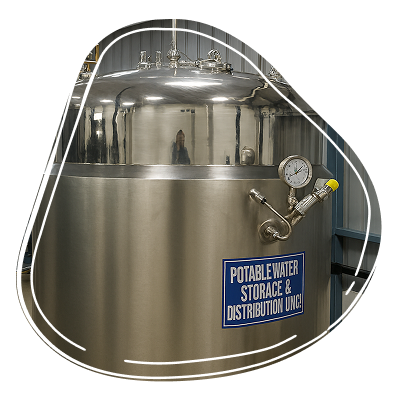
RO Water Generation System
Overview
Reverse Osmosis (RO) systems are the core of potable water generation. These systems remove dissolved salts, organic matter, bacteria, and pyrogens using a semi-permeable membrane.
Benefits
- High removal efficiency for contaminants
- Compact design with high recovery rate
- Low chemical usage
Applications
- Pharmaceutical water generation
- Boiler feed water treatment
- Food & beverage processing
- Hospital and laboratory water supply
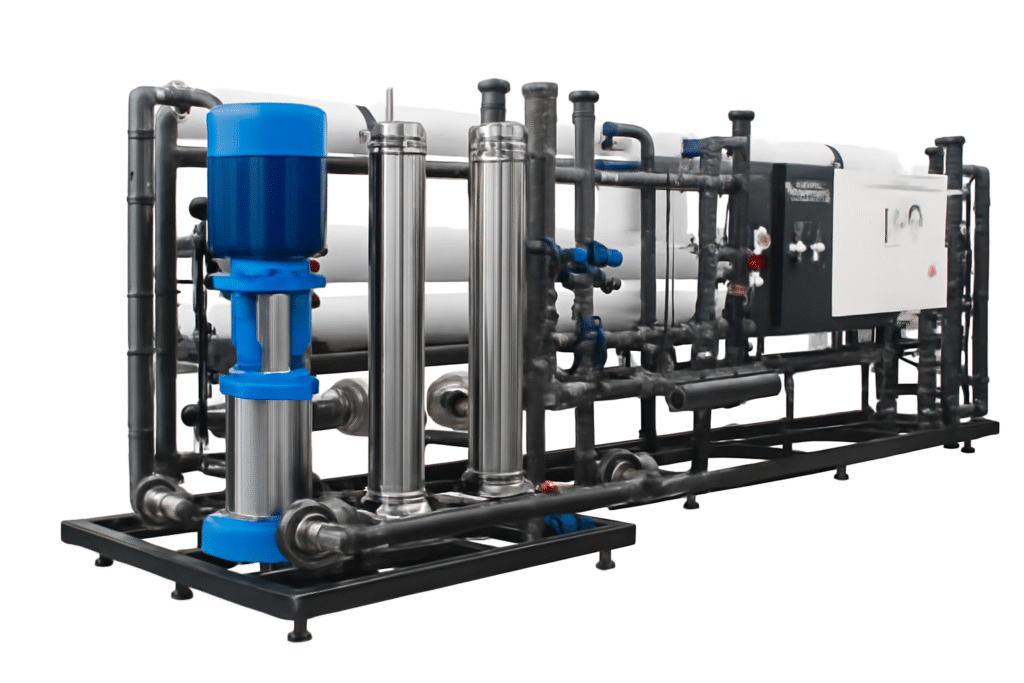
RO Water Generation System
Overview
Reverse Osmosis (RO) systems are the core of potable water generation. These systems remove dissolved salts, organic matter, bacteria, and pyrogens using a semi-permeable membrane.
Benefits
- High removal efficiency for contaminants
- Compact design with high recovery rate
- Low chemical usage
Applications
- Pharmaceutical water generation
- Boiler feed water treatment
- Food & beverage processing
- Hospital and laboratory water supply
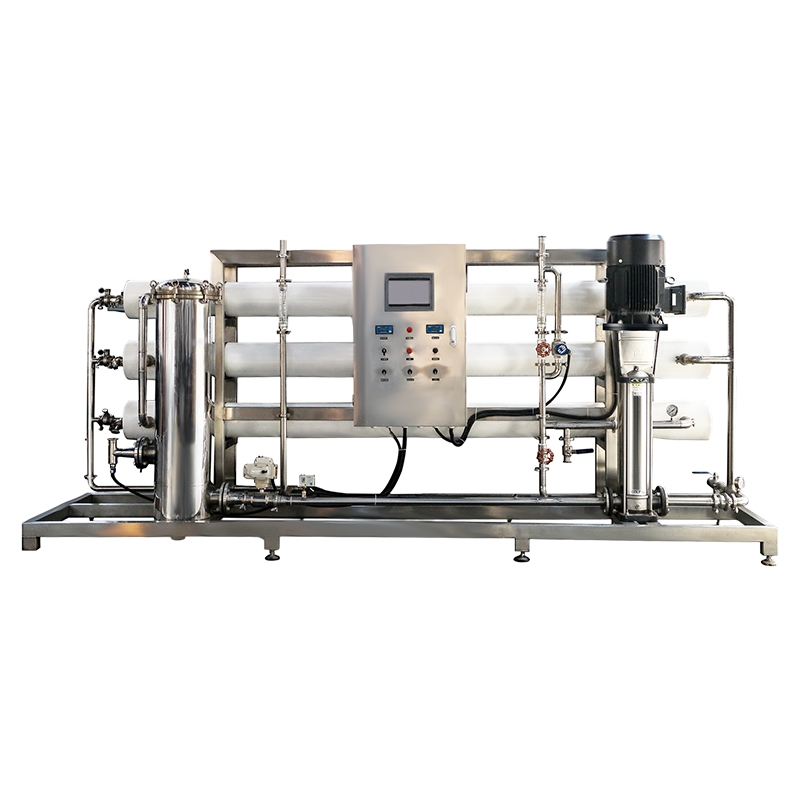
R O Water Generation Systems
Overview
Reverse Osmosis (RO) systems are the core of potable water generation. These systems remove dissolved salts, organic matter, bacteria, and pyrogens using a semi-permeable membrane.
Benefits
- High removal efficiency for contaminants
- Compact design with high recovery rate
- Low chemical usage
Applications
- Pharmaceutical water generation
- Boiler feed water treatment
- Food & beverage processing
- Hospital and laboratory water supply
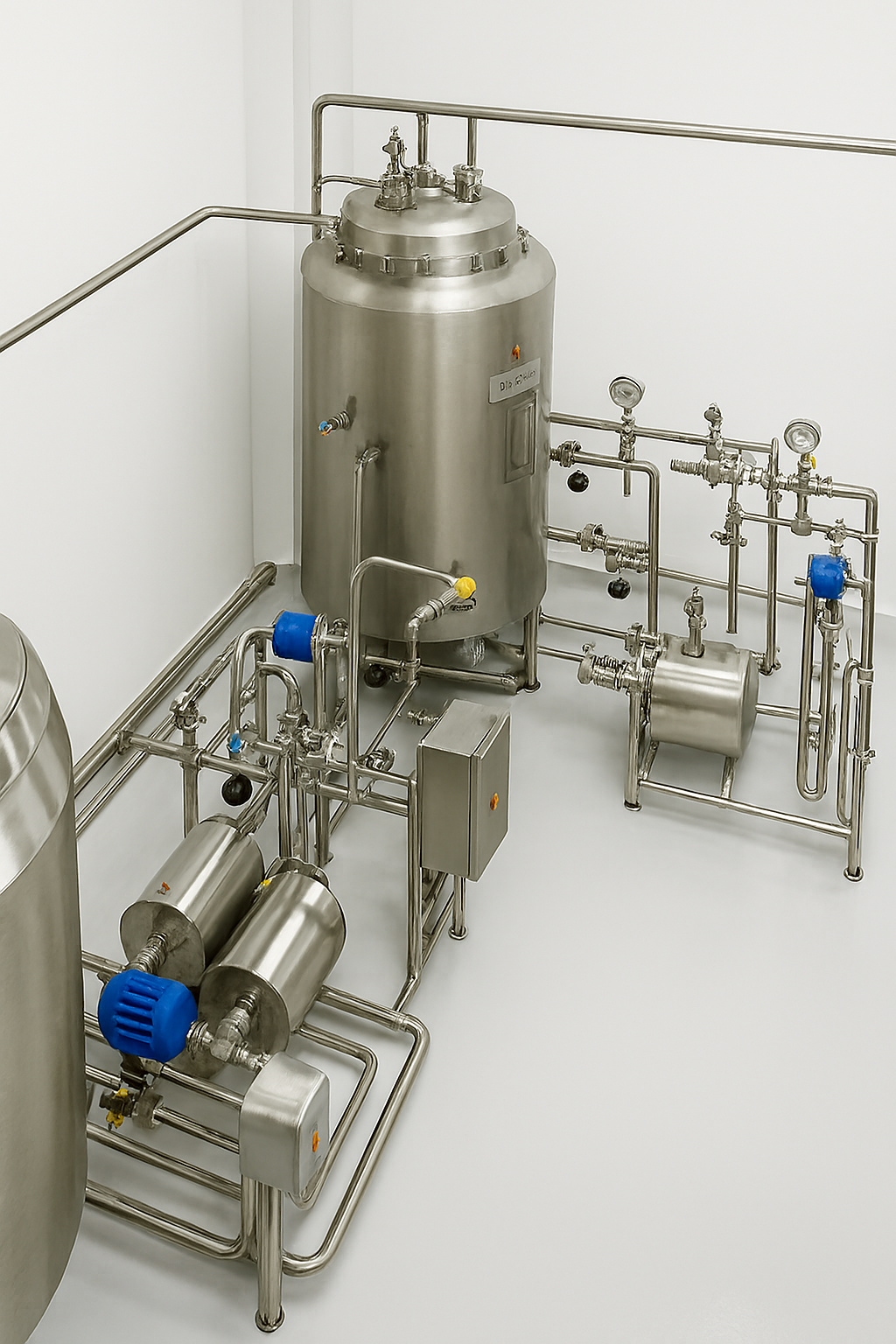
RO Water Storage & Distribution System
Overview
After RO generation, the treated water is stored in sanitary-grade storage tanks and distributed to different user points through loop systems, often using SS316L electropolished pipelines and sanitary pumps.
Benefits
- Ensures continuous water supply without contamination
- Maintains water quality with loop circulation
- Energy-efficient distribution
- Enables monitoring through online sensors (conductivity, temperature, flow)
Applications
- Water supply to cleanrooms and production lines
- Laboratory user points
- Sterile and non-sterile production areas
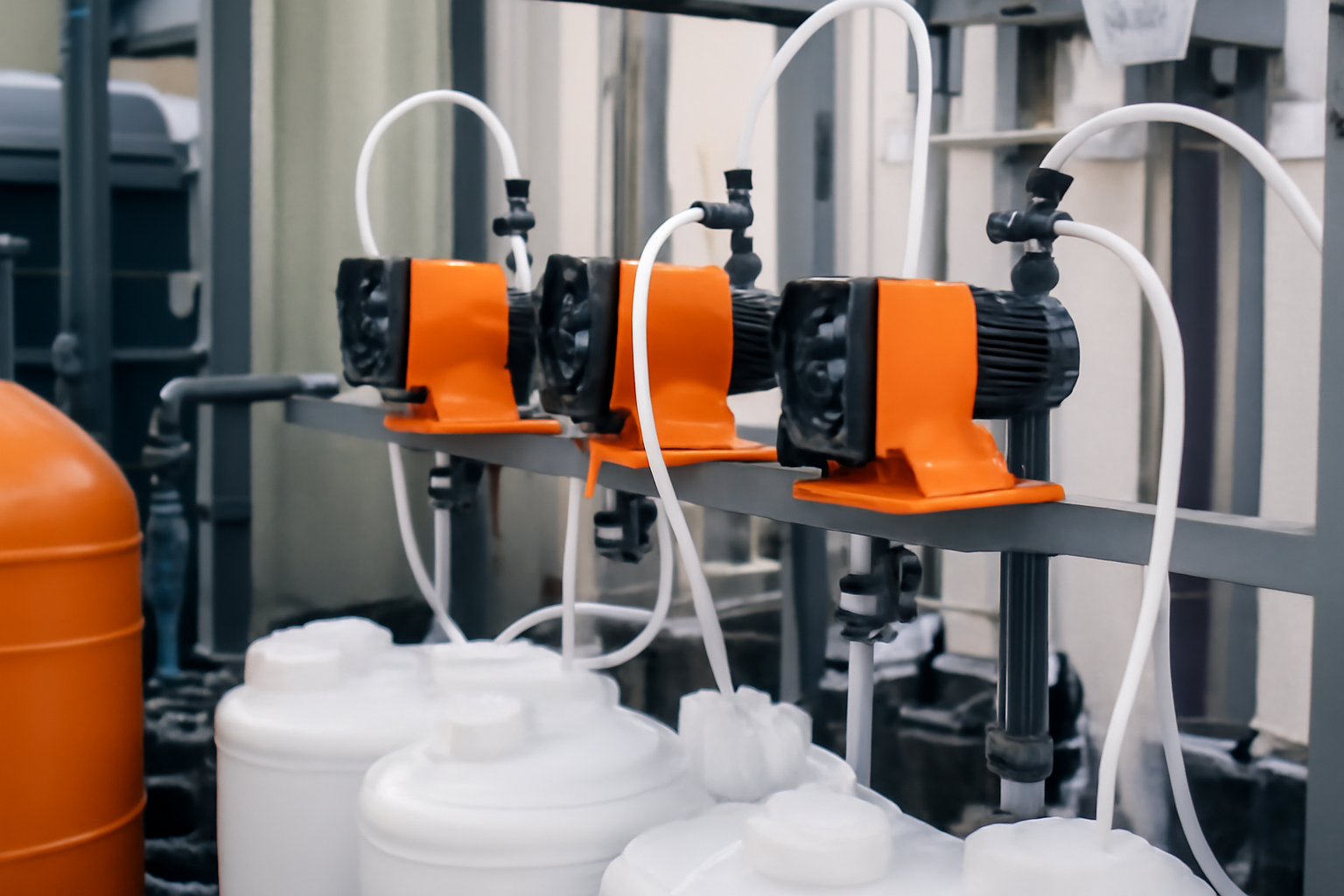
Dosing Systems: Antiscalant, pH Correction, and SMBS (Sodium Metabisulphite)
Chemical dosing systems are essential for membrane protection and pre-treatment optimization.
Antiscalant Dosing System: Prevents scaling of RO membranes due to hardness salts.
pH Correction System: Optimizes feed water pH to improve RO performance and membrane life.
SMBS Dosing System: Neutralizes chlorine and protects RO membranes from oxidative damage.
Benefits
- Prevents membrane fouling and scaling
- Reduces operational downtime
- Increases efficiency of RO systems
- Enhances lifespan of membranes and components
Applications
- Pre-treatment in RO systems
- Water conditioning for membrane longevity
- Process water stabilization
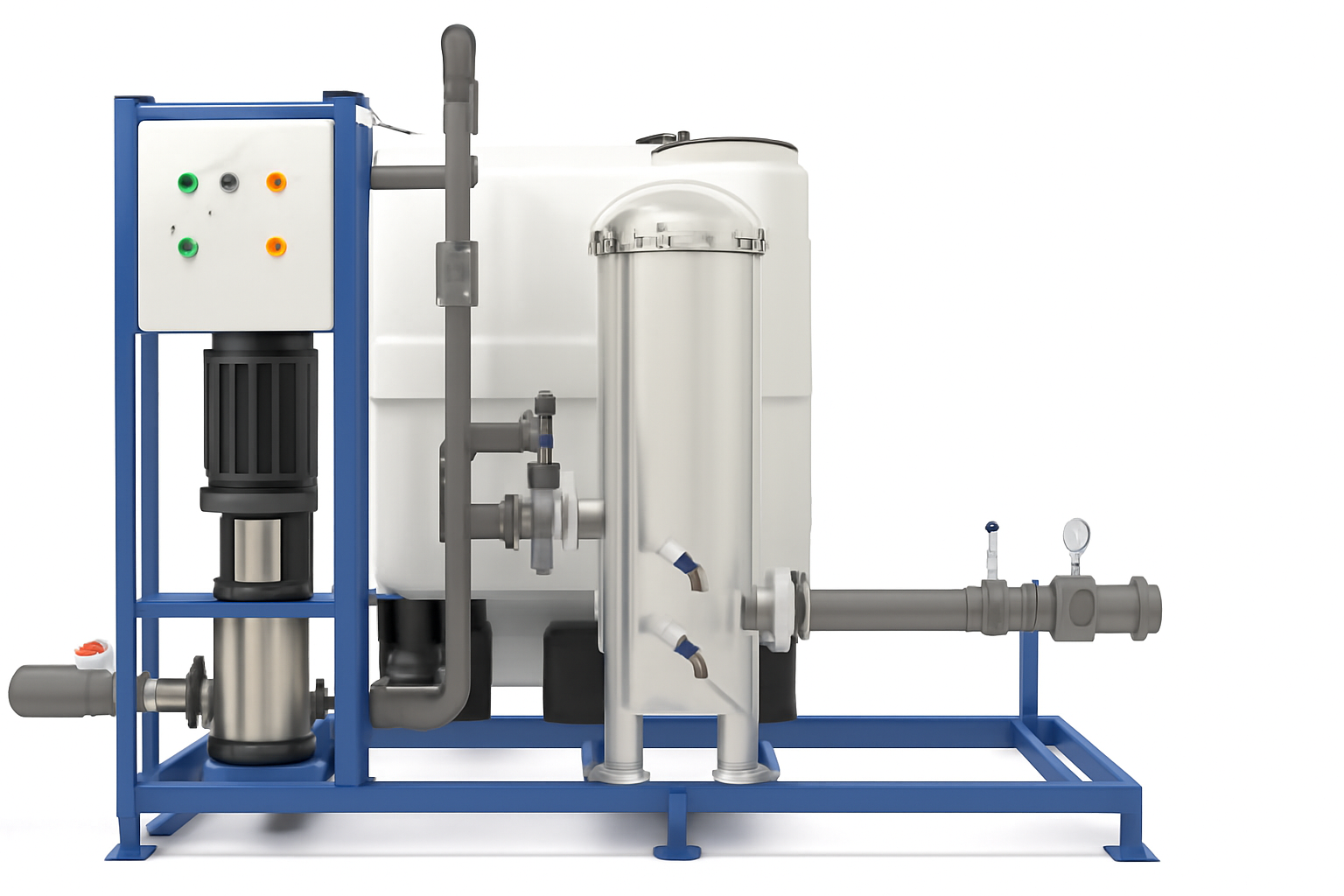
Clean-In-Place (CIP) System for Reverse Osmosis (RO) Systems
Clean-In-Place (CIP) systems are automated or semi-automated cleaning systems designed to remove fouling, scaling, and biological contaminants from RO membranes without disassembling the equipment. The CIP system circulates cleaning chemicals through the RO membranes to restore their performance and prolong service life.
A standard CIP system includes a chemical tank, circulation pump, cartridge filters, heating elements, valves, instrumentation, and interconnecting piping. The cleaning process involves a sequence of rinsing, chemical cleaning (acidic or alkaline), and final rinsing. CIP frequency depends on system monitoring parameters like pressure drop, permeate flow, and salt rejection trends.
Benefits
- Prevents membrane fouling and scaling
- Prevents membrane fouling and scaling
- Minimizes system downtime and production interruptions
- Reduces operating pressure and improves energy efficiency
- Enables consistent water quality and RO system reliability
- Reduces need for frequent membrane replacement and maintenance costs
- Supports validated cleaning protocols in GMP environments
Applications
- Cleaning of reverse osmosis membranes in pharmaceutical and biotech water systems
- Industrial water treatment plants
- Power plants and boiler feedwater RO systems
- Food and beverage RO purification lines
- Electronics and semiconductor-grade water purification systems
- Centralized utility systems in hospitals and laboratories
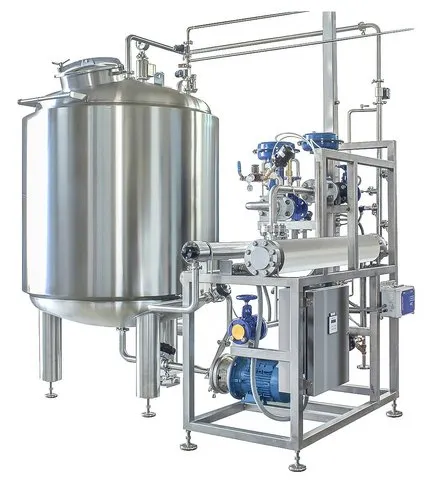
RO Water Storage & Distribution System
Overview
After RO generation, the treated water is stored in sanitary-grade storage tanks and distributed to different user points through loop systems, often using SS316L electropolished pipelines and sanitary pumps.
Benefits
- Ensures continuous water supply without contamination
- Maintains water quality with loop circulation
- Energy-efficient distribution
- Enables monitoring through online sensors (conductivity, temperature, flow)
Applications
- Water supply to cleanrooms and production lines
- Laboratory user points
- Sterile and non-sterile production areas
Dosing Systems: Antiscalant, pH Correction, and SMBS (Sodium Metabisulphite)
Chemical dosing systems are essential for membrane protection and pre-treatment optimization.
Antiscalant Dosing System: Prevents scaling of RO membranes due to hardness salts.
pH Correction System: Optimizes feed water pH to improve RO performance and membrane life.
SMBS Dosing System: Neutralizes chlorine and protects RO membranes from oxidative damage.
Benefits
- Prevents membrane fouling and scaling
- Reduces operational downtime
- Increases efficiency of RO systems
- Enhances lifespan of membranes and components
Applications
- Pre-treatment in RO systems
- Water conditioning for membrane longevity
- Process water stabilization
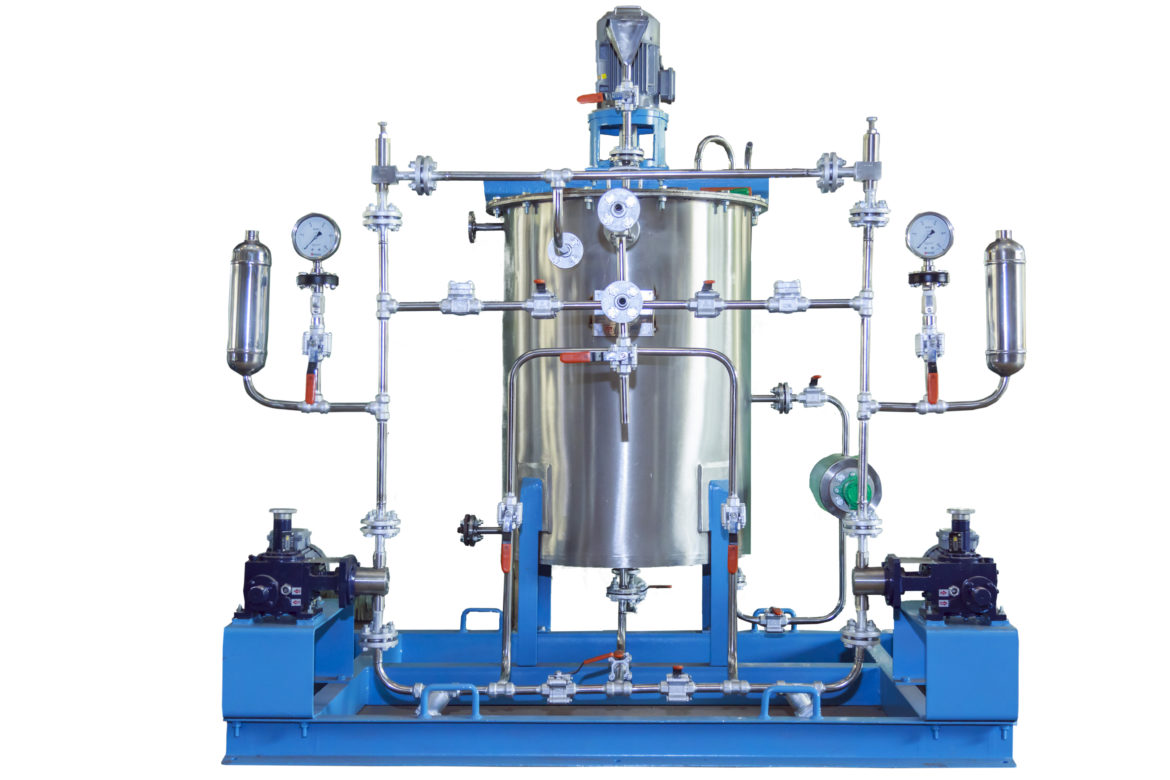
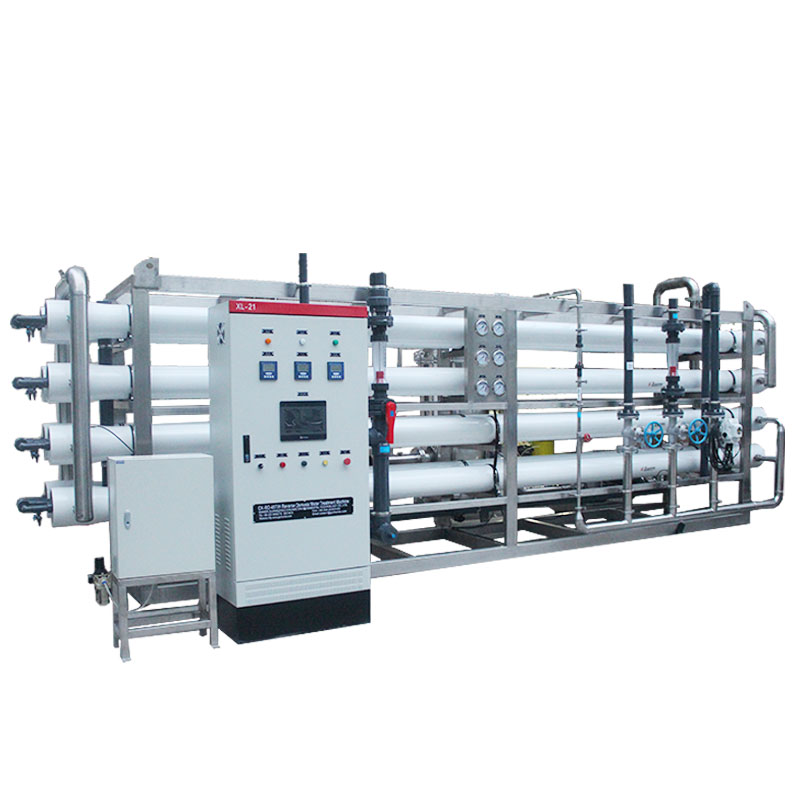
Clean-In-Place (CIP) System for Reverse Osmosis (RO) Systems
Clean-In-Place (CIP) systems are automated or semi-automated cleaning systems designed to remove fouling, scaling, and biological contaminants from RO membranes without disassembling the equipment. The CIP system circulates cleaning chemicals through the RO membranes to restore their performance and prolong service life.
A standard CIP system includes a chemical tank, circulation pump, cartridge filters, heating elements, valves, instrumentation, and interconnecting piping. The cleaning process involves a sequence of rinsing, chemical cleaning (acidic or alkaline), and final rinsing. CIP frequency depends on system monitoring parameters like pressure drop, permeate flow, and salt rejection trends.
Benefits
- Prevents membrane fouling and scaling
- Prevents membrane fouling and scaling
- Minimizes system downtime and production interruptions
- Reduces operating pressure and improves energy efficiency
- Enables consistent water quality and RO system reliability
- Reduces need for frequent membrane replacement and maintenance costs
- Supports validated cleaning protocols in GMP environments
Applications
- Cleaning of reverse osmosis membranes in pharmaceutical and biotech water systems
- Industrial water treatment plants
- Power plants and boiler feedwater RO systems
- Food and beverage RO purification lines
- Electronics and semiconductor-grade water purification systems
- Centralized utility systems in hospitals and laboratories
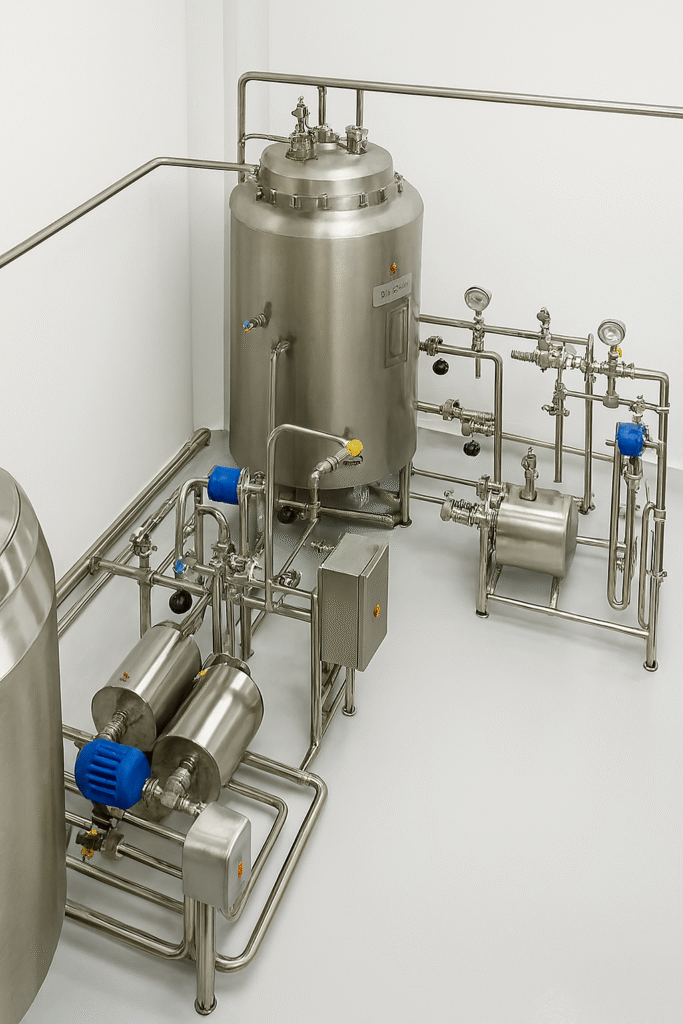
RO Water Storage & Distribution System
Overview
After RO generation, the treated water is stored in sanitary-grade storage tanks and distributed to different user points through loop systems, often using SS316L electropolished pipelines and sanitary pumps.
Benefits
- Ensures continuous water supply without contamination
- Maintains water quality with loop circulation
- Energy-efficient distribution
- Enables monitoring through online sensors (conductivity, temperature, flow)
Applications
- Water supply to cleanrooms and production lines
- Laboratory user points
- Sterile and non-sterile production areas
Dosing Systems: Antiscalant, pH Correction, and SMBS (Sodium Metabisulphite)
Chemical dosing systems are essential for membrane protection and pre-treatment optimization.
Antiscalant Dosing System: Prevents scaling of RO membranes due to hardness salts.
pH Correction System: Optimizes feed water pH to improve RO performance and membrane life.
SMBS Dosing System: Neutralizes chlorine and protects RO membranes from oxidative damage.
Benefits
- Prevents membrane fouling and scaling
- Reduces operational downtime
- Increases efficiency of RO systems
- Enhances lifespan of membranes and components
Applications
- Pre-treatment in RO systems
- Water conditioning for membrane longevity
- Process water stabilization
Clean-In-Place (CIP) System for Reverse Osmosis (RO) Systems
Clean-In-Place (CIP) systems are automated or semi-automated cleaning systems designed to remove fouling, scaling, and biological contaminants from RO membranes without disassembling the equipment. The CIP system circulates cleaning chemicals through the RO membranes to restore their performance and prolong service life.
A standard CIP system includes a chemical tank, circulation pump, cartridge filters, heating elements, valves, instrumentation, and interconnecting piping. The cleaning process involves a sequence of rinsing, chemical cleaning (acidic or alkaline), and final rinsing. CIP frequency depends on system monitoring parameters like pressure drop, permeate flow, and salt rejection trends.
Benefits
- Prevents membrane fouling and scaling
- Prevents membrane fouling and scaling
- Minimizes system downtime and production interruptions
- Reduces operating pressure and improves energy efficiency
- Enables consistent water quality and RO system reliability
- Reduces need for frequent membrane replacement and maintenance costs
- Supports validated cleaning protocols in GMP environments
Applications
- Cleaning of reverse osmosis membranes in pharmaceutical and biotech water systems
- Industrial water treatment plants
- Power plants and boiler feedwater RO systems
- Food and beverage RO purification lines
- Electronics and semiconductor-grade water purification systems
- Centralized utility systems in hospitals and laboratories
RO Water Storage & Distribution System with User Points
Overview
After RO generation, the treated water is stored in sanitary-grade storage tanks and distributed to different user points through loop systems, often using SS316L electropolished pipelines and sanitary pumps.
Benefits
- Ensures continuous water supply without contamination
- Maintains water quality with loop circulation
- Energy-efficient distribution
- Enables monitoring through online sensors (conductivity, temperature, flow)
Applications
- Water supply to cleanrooms and production lines
- Laboratory user points
- Sterile and non-sterile production areas
Dosing Systems: Antiscalant, pH Correction, and SMBS (Sodium Metabisulphite)
Chemical dosing systems are essential for membrane protection and pre-treatment optimization.
Antiscalant Dosing System: Prevents scaling of RO membranes due to hardness salts.
pH Correction System: Optimizes feed water pH to improve RO performance and membrane life.
SMBS Dosing System: Neutralizes chlorine and protects RO membranes from oxidative damage.
Benefits
- Prevents membrane fouling and scaling
- Reduces operational downtime
- Increases efficiency of RO systems
- Enhances lifespan of membranes and components
Applications
- Pre-treatment in RO systems
- Water conditioning for membrane longevity
- Process water stabilization
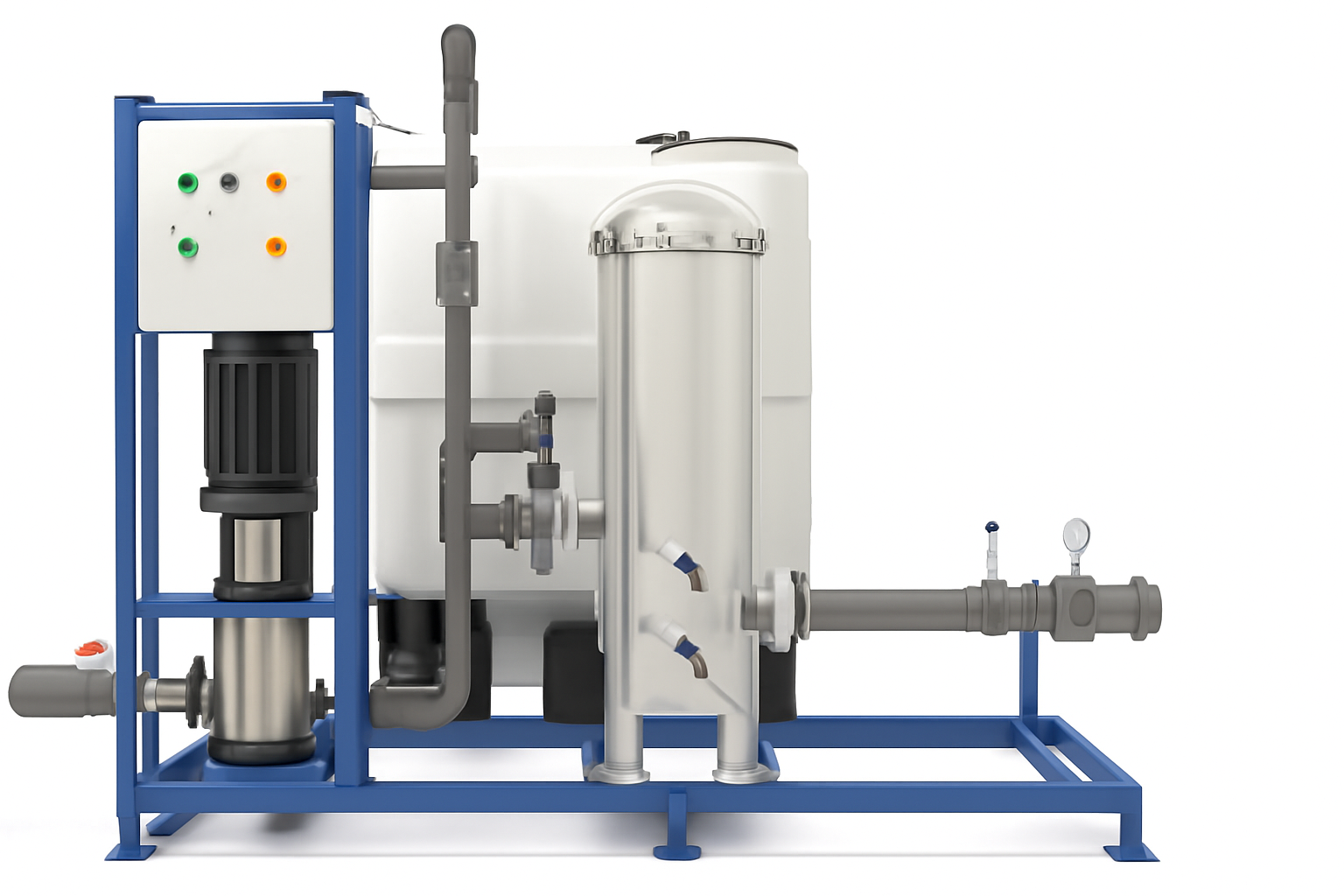
Clean-In-Place (CIP) System for Reverse Osmosis (RO) Systems
Clean-In-Place (CIP) systems are automated or semi-automated cleaning systems designed to remove fouling, scaling, and biological contaminants from RO membranes without disassembling the equipment. The CIP system circulates cleaning chemicals through the RO membranes to restore their performance and prolong service life.
A standard CIP system includes a chemical tank, circulation pump, cartridge filters, heating elements, valves, instrumentation, and interconnecting piping. The cleaning process involves a sequence of rinsing, chemical cleaning (acidic or alkaline), and final rinsing. CIP frequency depends on system monitoring parameters like pressure drop, permeate flow, and salt rejection trends.
Benefits
- Prevents membrane fouling and scaling
- Prevents membrane fouling and scaling
- Minimizes system downtime and production interruptions
- Reduces operating pressure and improves energy efficiency
- Enables consistent water quality and RO system reliability
- Reduces need for frequent membrane replacement and maintenance costs
- Supports validated cleaning protocols in GMP environments
Applications
- Cleaning of reverse osmosis membranes in pharmaceutical and biotech water systems
- Industrial water treatment plants
- Power plants and boiler feedwater RO systems
- Food and beverage RO purification lines
- Electronics and semiconductor-grade water purification systems
- Centralized utility systems in hospitals and laboratories