
Lab Grade Water Generation System
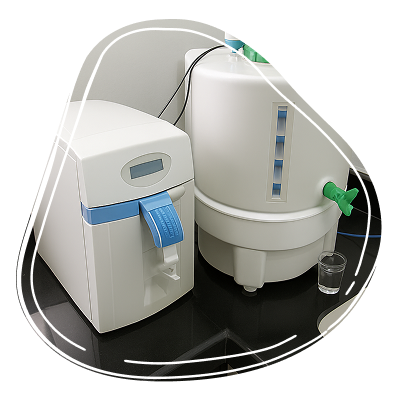
Lab Grade Water Generation System are advanced laboratory water purification units designed to produce ultrapure Type 1 water, suitable for highly sensitive analytical and life science applications. Type 1 water is the highest grade of laboratory water, with specifications such as:
- Resistivity ≥18.2 MΩ·cm at 25°C
- TOC ≤5 ppb
- Bacteria <1 CFU/mL
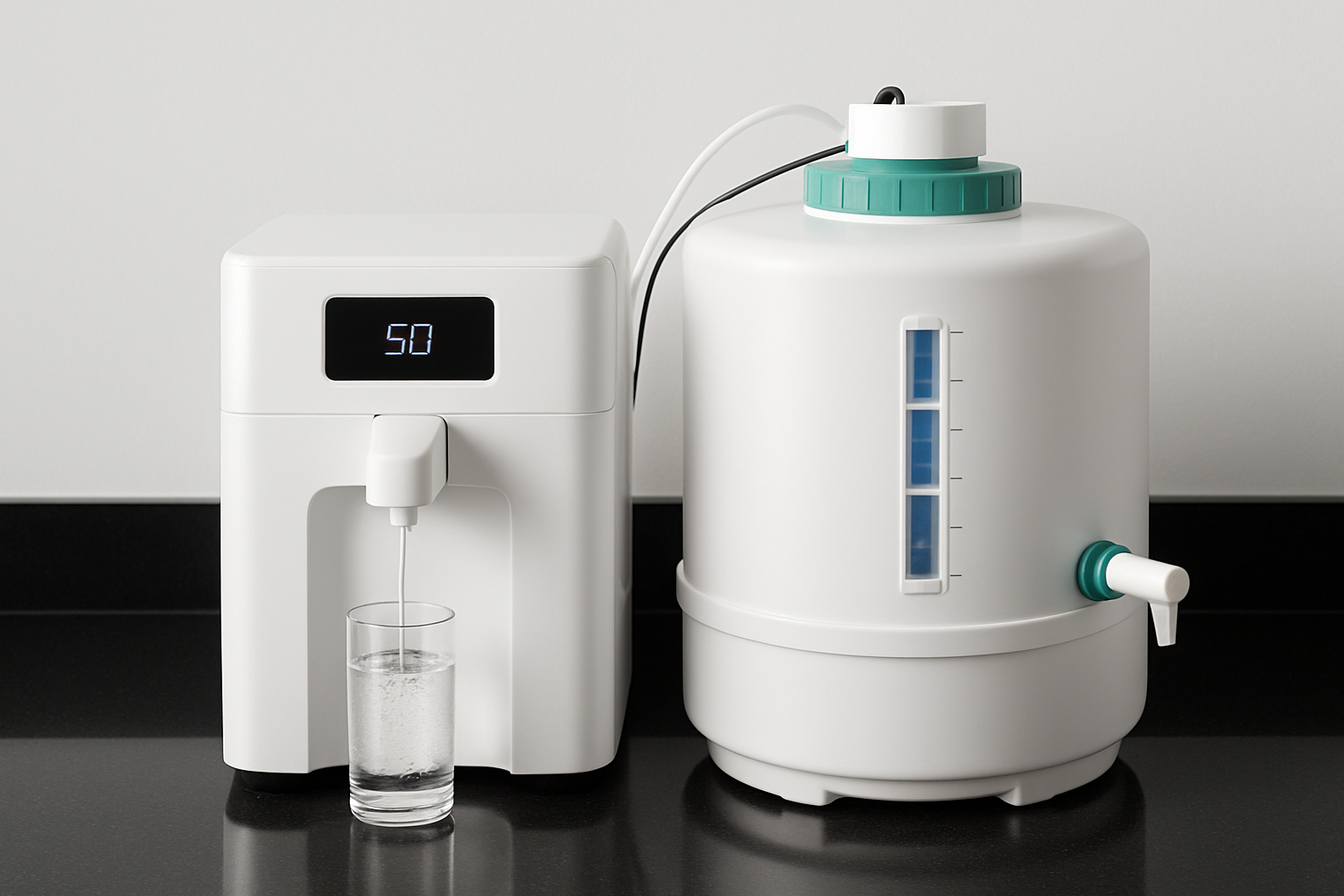
Lab Grade Water Generation System
Overview
Milli-Q systems typically combine multiple purification technologies to ensure consistent production of ultrapure water. These include:
- Pre-filtration
- Reverse osmosis (RO)
- Electrodeionization (EDI)
- UV photo-oxidation (185/254 nm)
- Ultrafiltration (UF)
- Polishing cartridges and final filters
The systems are compact, modular, and designed for point-of-use installation on laboratory benches
Features
- Ultrapure water with resistivity ≥18.2 MΩ·cm
- UV treatment for TOC control and microbial inactivation
- Final filtration with 0.22 µm and ultrafiltration modules
- Real-time TOC, resistivity, and temperature monitoring
Benefits
- Produces water compliant with ASTM, ISO, CLSI standards
- Reduces background interference in sensitive techniques
- Enhances reproducibility and accuracy in lab workflows
- Compact and low-maintenance design
Applications
- HPLC, LC-MS, and GC-MS analysis
- Molecular biology and microbiology
- Cell culture and tissue engineering
- Spectroscopy and elemental analysis
FAQ
What technologies are used in lab water systems?
They typically use sediment filters, activated carbon, RO membranes, deionization resins or EDI, UV lamps, and UF membranes or 0.2 µm filters.
Why is lab grade water important?
High-purity water prevents contamination, inaccurate results, and damage to sensitive instruments in lab environments.
How is water quality monitored?
Quality is monitored via resistivity/conductivity meters, TOC analyzers, and microbial testing to ensure compliance with lab standards (ASTM, ISO, CLSI).
How often should the system be maintained?
Pre-filters and cartridges may require replacement every 3–6 months, while RO membranes and UV lamps typically last 1–2 years, depending on usage and water quality.